

Living with Lupus: Alex’s Story

From a University Diagnosis to a Future in Pharmacy
Let’s Talk Lupus: Conversations with Macenzie — Real stories from Canadians living with lupus.
Alex Krnel shares their experience living with lupus while navigating university, disability accommodations, and their path toward becoming a pharmacist.
When It All Began
In the gruelling winter of their third year at the University of Ottawa, 22-year-old student Alex broke out in strange rashes all over their face. What Alex thought was potentially eczema or dry skin caused by the harsh winter weather remained despite the spring returning.
“Doctors thought maybe it was a fungal infection,” says Alex. “I was referred to a dermatologist, and the moment she saw me, she said, ‘That looks like the lupus butterfly rash.’”
Alex wasn’t familiar with lupus and wasn’t experiencing any other symptoms at the time, so they decided to do their own research.
“I remember finding out there are several kinds of lupus and hoping it might just be the facial kind,” recalls Alex.
Shortly after their initial appointment with a dermatologist, Alex began experiencing joint pain, rashes, inflammation in their legs, and issues with their kidneys. During this time, Alex still struggled with keeping up with the demands of their degree while prioritizing their health.
“It was really bad during school. I had a six-hour biology lab that you could not miss. On those days, it was so bad. I wouldn’t be able to walk without limping, and it was really disheartening to be a young university student who couldn’t even walk. I would go home and just cry.”

Balancing School and Chronic Illness
Alex was quickly referred to a rheumatologist, who, after further testing, diagnosed them with lupus and immediately started treatment.
However, their symptoms did not disappear entirely. Alex’s fingers and legs continued to swell, and their kidneys remained inflamed during peak exam season.
Unfortunately, Alex’s experience accessing accommodations at university was not positive, as they were not provided with the support they needed to complete their exams while accounting for their disability.
“Luckily, I ended up being okay enough to write my final exams,” says Alex. “But a few days later, I was admitted to the hospital because of my kidneys.”
Alex feels this is a common issue that universities often overlook, as disabilities are not always binary or black and white. For many people living with lupus, flare-ups are unpredictable and cannot be predetermined.
“I had a teacher who booked a presentation months in advance. When I explained my accommodations and that lupus flare-ups are random, meaning I couldn’t tell him ahead of time whether I would be unwell, he responded, ‘Well, if you can’t tell me specifically how you’ll feel on that day now and don’t present, you will receive an absent grade.’ What made the situation even more frustrating was that he was willing to reschedule presentations for students who had job interviews.”

A New Perspective on Healthcare
Fortunately, Alex completed their final year of school, with little help from the university, and is expected to graduate this year with a degree in biopharmaceutical sciences.
Their lived experience with chronic illness inspired Alex to continue their education and pursue a career as a pharmacist, something they had never considered before their diagnosis.
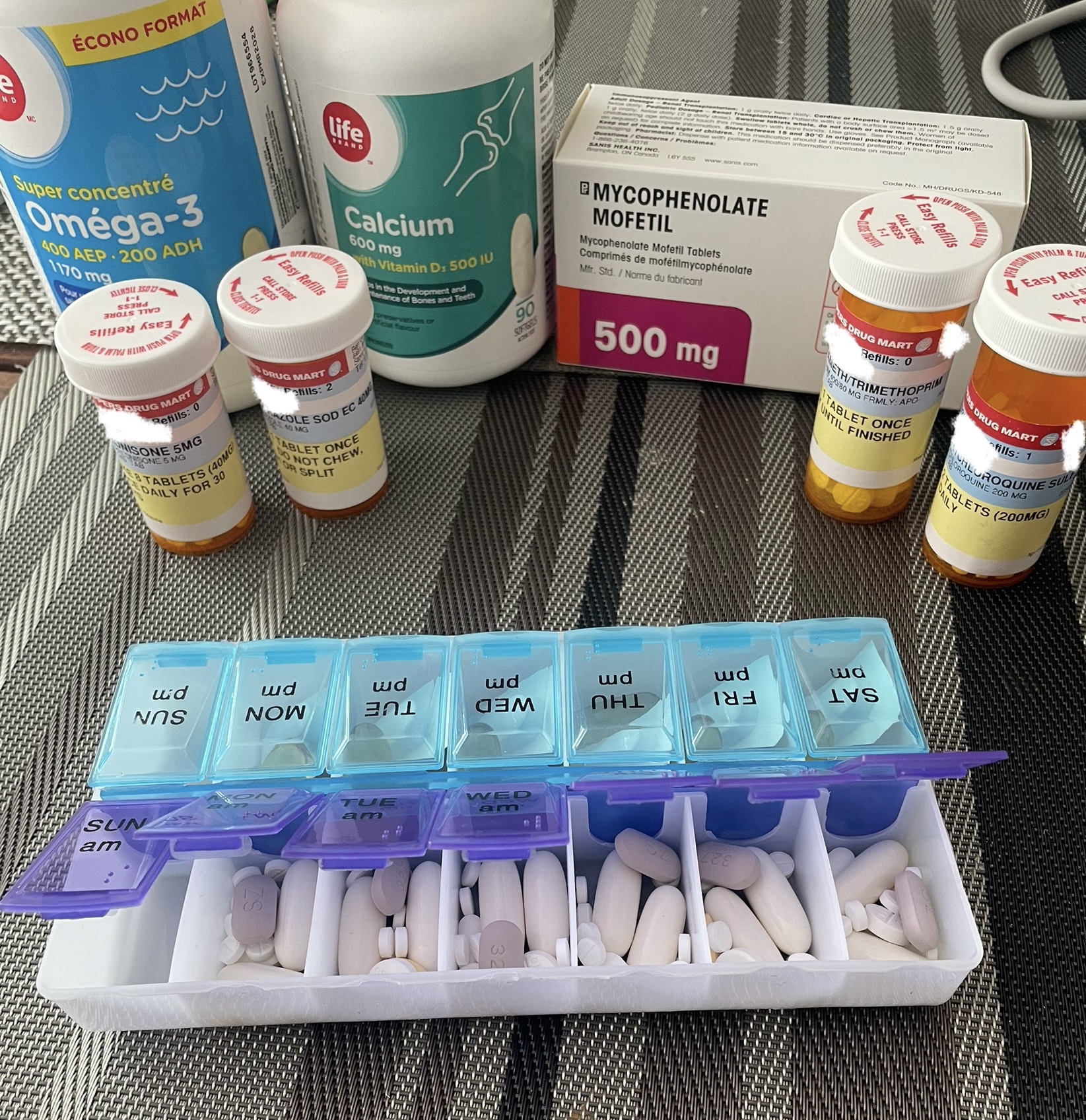
“When I was in the hospital for a kidney biopsy, I went from never taking any medication to suddenly taking five pills a day and a weekly injection,” explained Alex.
“The pharmacist explained how each medication worked and walked me through everything, which I was incredibly grateful for, and that’s what inspired me to apply.”
Alex is happy to share that they have been accepted into pharmacy school and will begin their four-year journey this fall.
Their goal is to increase awareness of lupus within the medical community through sharing their lived experience, with the hope of helping patients receive earlier diagnoses.
“I was really lucky my dermatologist recognized it as lupus right away,” says Alex, as on average, a lupus diagnosis can take up to seven years.
Advocacy and Accessibility
For the past two years, Alex has been involved with the University of Ottawa Lupus Organization (UOLO) as a French translator, helping keep content accessible for non-English speakers.
UOLO is committed to supporting students living with lupus at the university, educating the campus community about invisible illnesses, and holding the university accountable for accessibility.
With the first anniversary of their diagnosis behind them and their fourth year coming to an end, Alex reflected on how profoundly lupus had changed their outlook on life.
“It [lupus] has helped me ground myself and be more present and not take my health for granted,” they explain. “A lot of people in university are trying to plan out their future and figure out who they are, but it’s important to focus on the now and make sure you enjoy every day.”
Looking Ahead
Alex has been in remission for almost a year and is very much looking forward to completing their professional Doctor of Pharmacy.
They hope that one day they will be able to offer someone else the same clarity and guidance they received in the hospital last year.
Let’s Talk Lupus: Conversations with Macenzie
Each month, Let’s Talk Lupus: Conversations with Macenzie brings you inspiring stories from Canadians living with lupus. Through these interviews, Macenzie, a Toronto-based journalist and writer diagnosed with Systemic Lupus Erythematosus (SLE) in 2017, shines a light on the experiences, challenges, and triumphs of those navigating life with lupus.
If you’d like to share your story, please email [email protected].