

Brushstrokes for Hope: A Lupus Awareness Fundraiser Honouring Michele Beck
Brushstrokes for Hope: Honouring Michele Beck Through Lupus Awareness
After losing her sister Michele to complications from lupus, Nami created Brushstrokes for Hope, a lupus awareness fundraiser in Yarmouth, Nova Scotia. Through this community event, she is honouring Michele’s life while helping others better understand lupus, recognize symptoms sooner, and feel less alone.
A Sister, A Friend, and a Life Full of Love
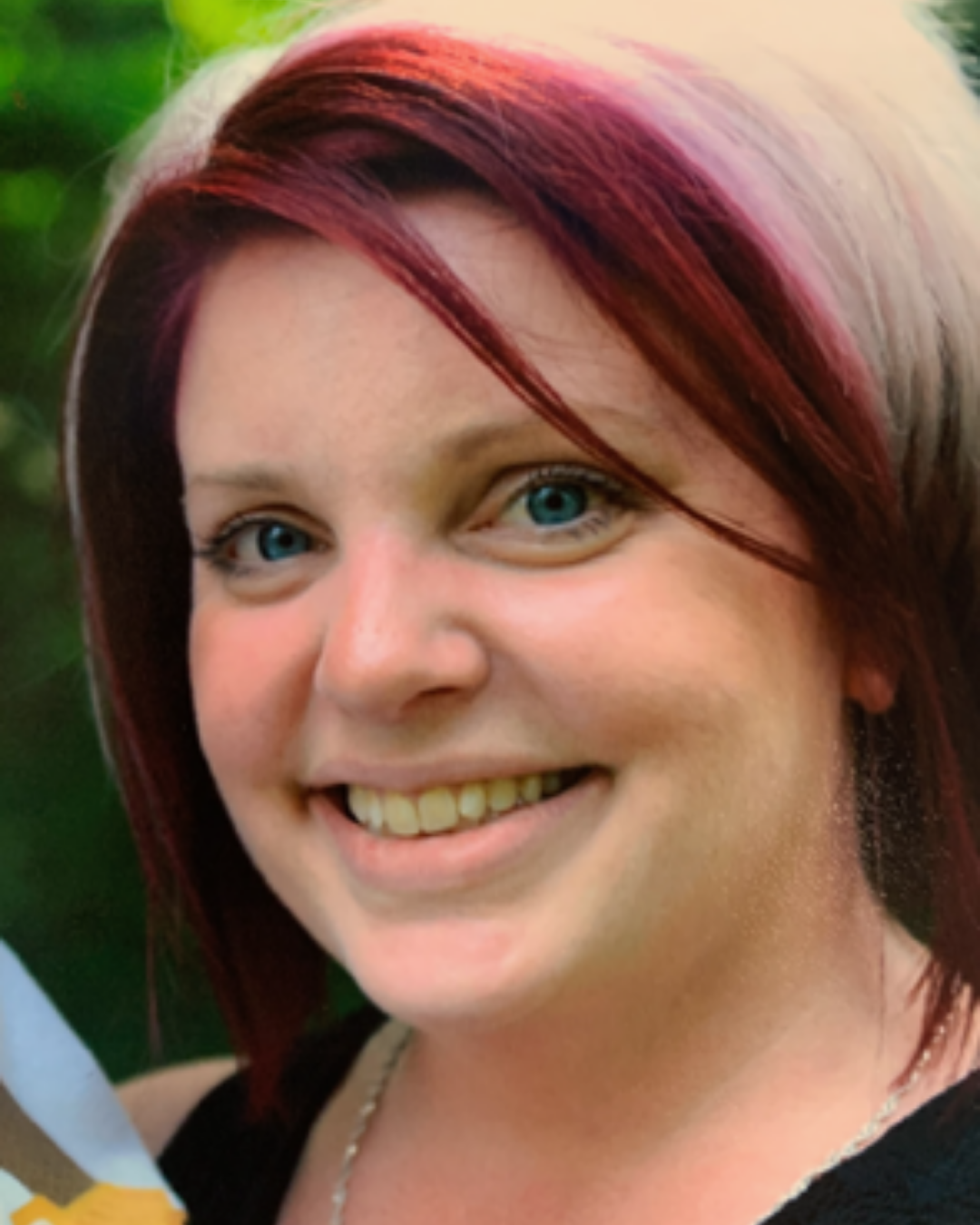
Nami and her younger sister, Michele, shared a close-knit bond growing up just a few years apart. As time passed, the two sisters were always there for each other despite the distance between them, with Nami living in Yarmouth, Nova Scotia and Michele living in Burk’s Falls, Ontario.
In Michele’s early twenties, she began experiencing several seemingly unrelated health issues and tried several times to seek help from doctors.
“Her doctor kept telling her you just have to diet or exercise more,” says her sister Nami. “In a matter of two or three months, she lost 60 pounds.”
Despite following her doctor’s recommendations, Michele’s health progressively worsened, and she was admitted to the hospital for several days. After further testing, she was diagnosed with lupus, a disease neither Nami nor Michele had ever heard of.
Searching for Answers
In her early twenties, Michele began experiencing several seemingly unrelated health issues. She sought medical help several times, but her symptoms were dismissed.
“Her doctor kept telling her you just have to diet or exercise more,” says Nami. “In a matter of two or three months, she lost 60 pounds.”
Despite following medical advice, Michele’s health continued to worsen. After being admitted to the hospital and undergoing further testing, she was eventually diagnosed with lupus, a disease neither Michele nor Nami had heard of before.
“It took her several years to be diagnosed,” says Nami.
Living With Lupus
For some time, Michele’s health remained stable, but she continued to live with significant pain. After experiencing pregnancy related complications, her health began to decline again.
Eventually, Michele had to stop working as a hairdresser, a career she loved deeply. Still, she found meaning in being able to spend more time with her son, whom she adored.
Barriers to Care and Support
By her late thirties, Michele’s lupus became increasingly difficult to manage. It began affecting her lungs and kidneys, and previous treatments had caused severe and dangerous reactions.
Benlysta eventually offered some hope, but accessing support remained difficult. Michele returned to work after her primary doctor refused to approve her application for the Ontario Disability Support Program, despite the severity of her illness.
She began working at a local cannabis store, where she found support, accommodations, and a workplace that treated her like family.
“They were so good to her, and let her sit on a stool if she needed to,” says Nami. “She was happy to get out of the house and interact with people again.”
When Lupus Became More Difficult to Manage
In 2024, Michele’s health took a serious turn. She had an upcoming rheumatologist appointment to discuss her flare ups, but it was cancelled and rescheduled for two months later.
With few options left, Michele was taken to the hospital. This time, she never came home.
Just a few weeks after her 42nd birthday, Michele passed away due to complications from lupus, leaving behind her husband and 10 year old son.
“She felt like her doctors gave up on her,” says Nami. “They told her there was nothing more they could do for her.”
Creating Brushstrokes for Hope
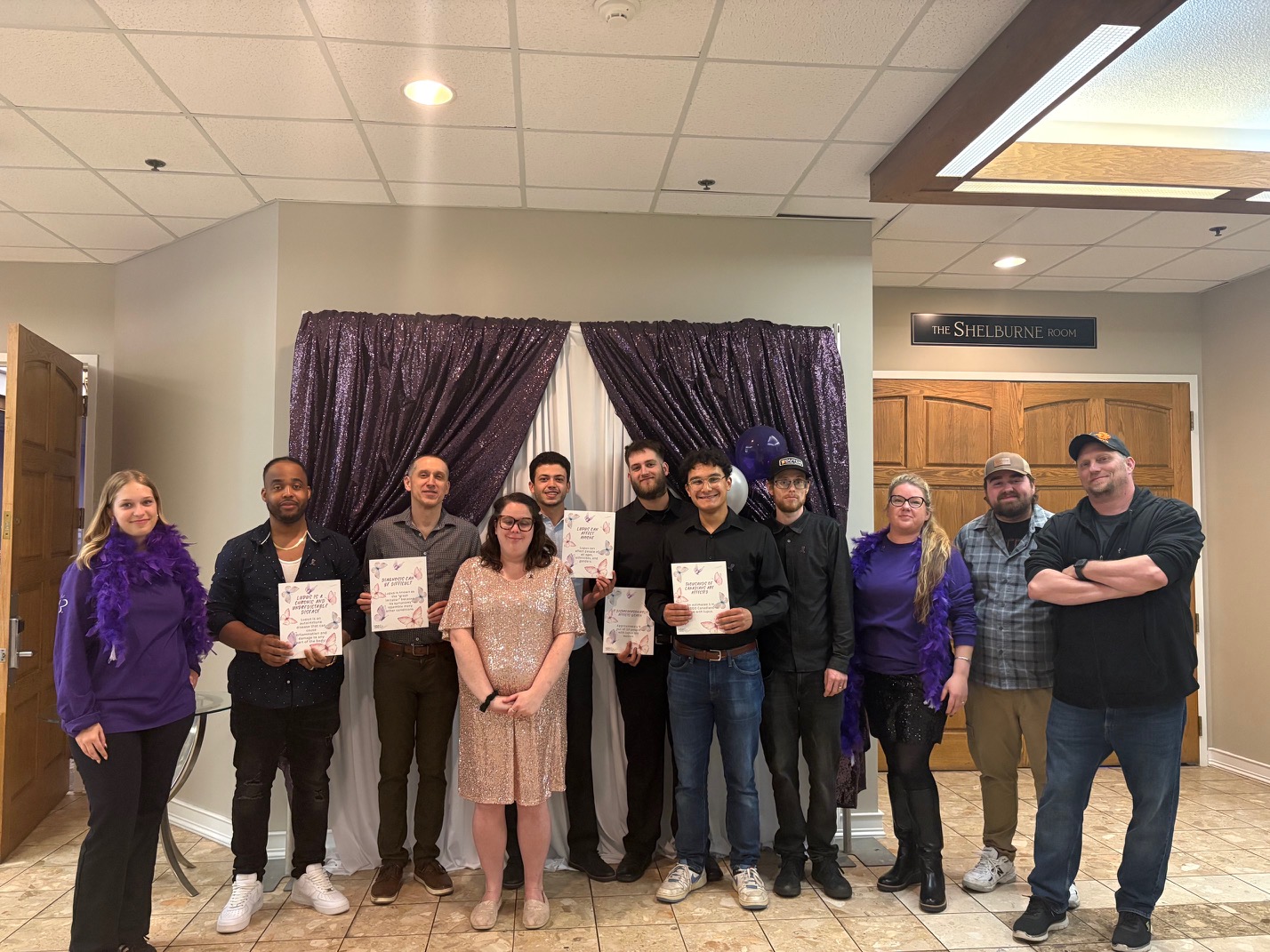
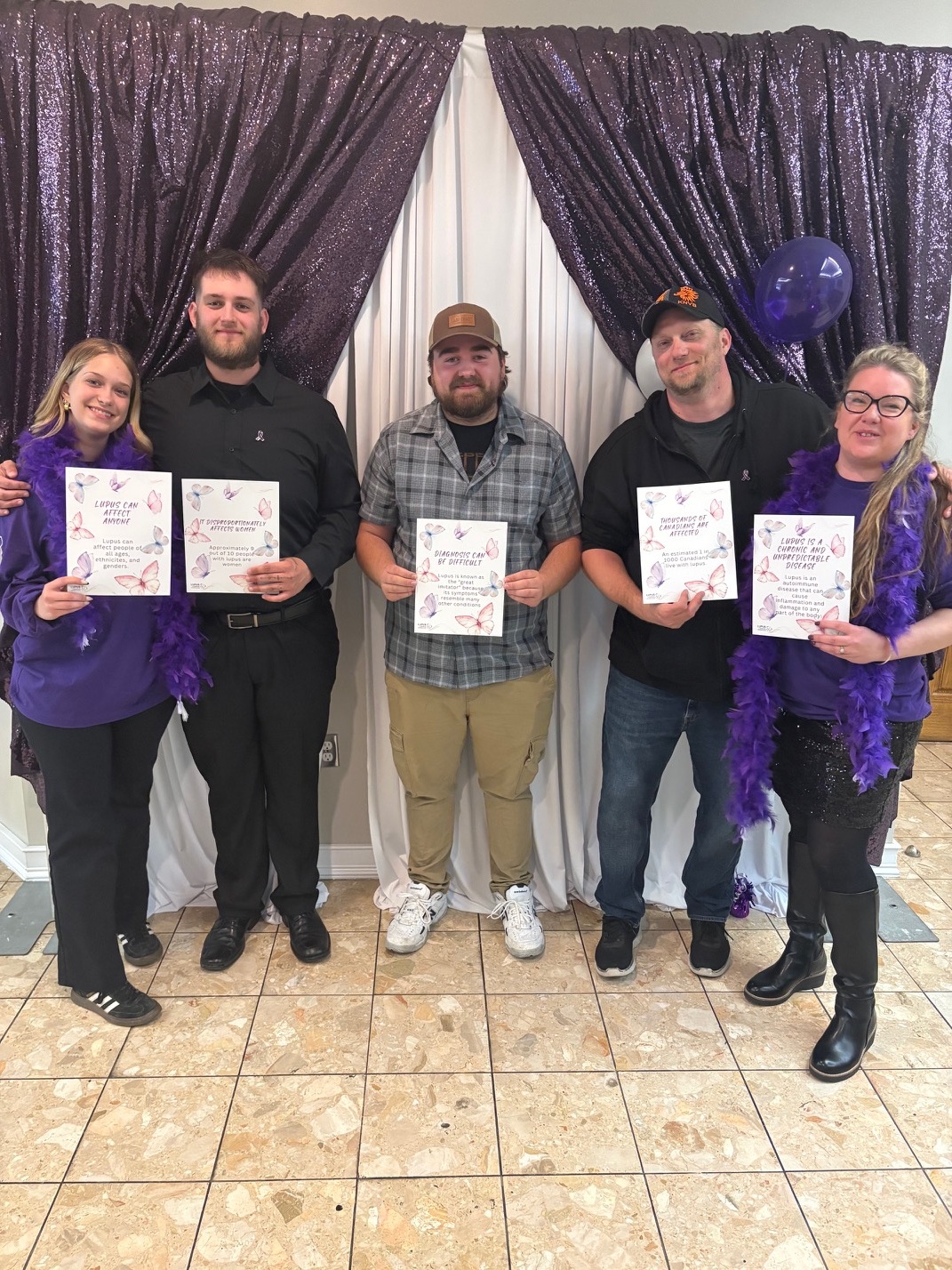
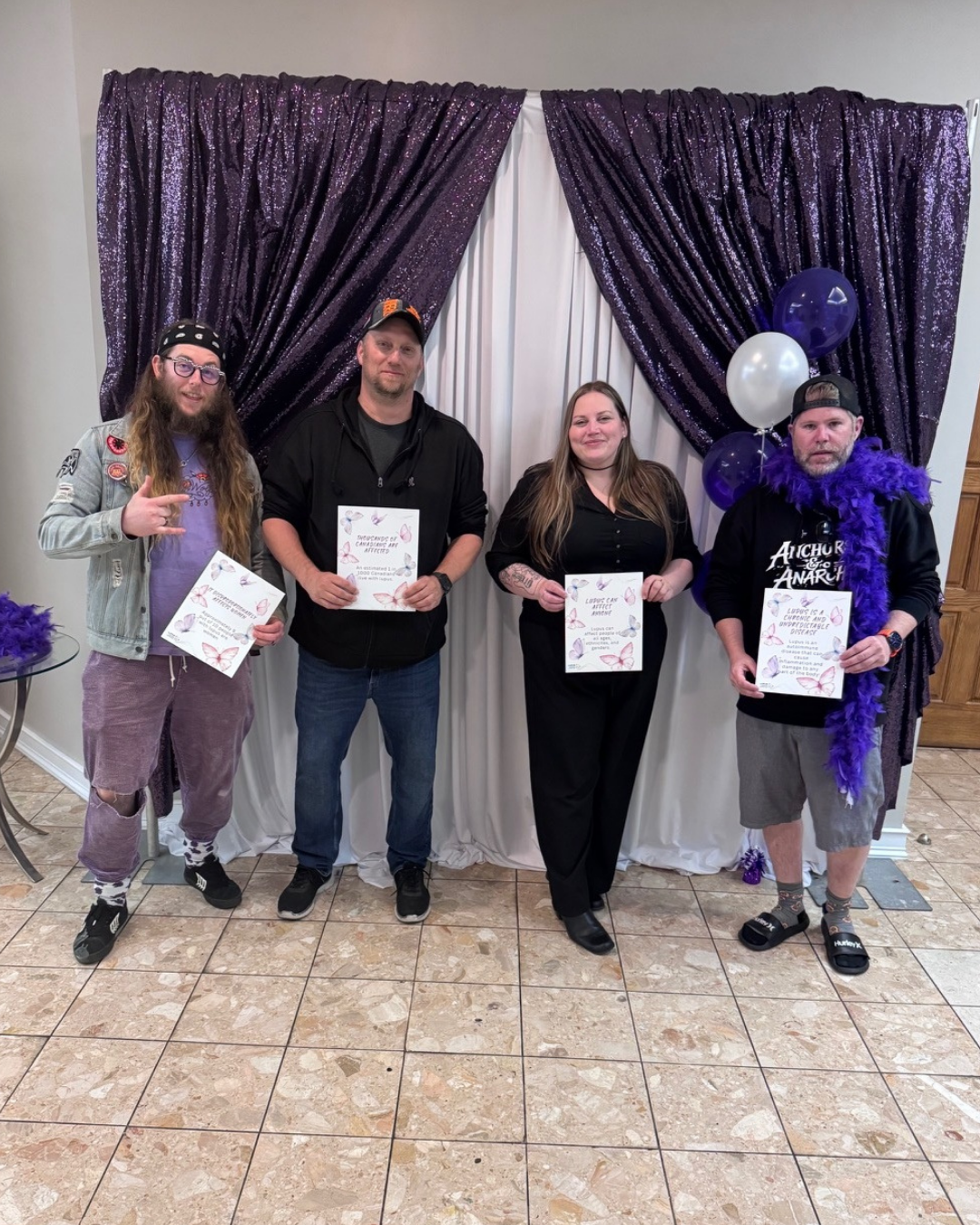
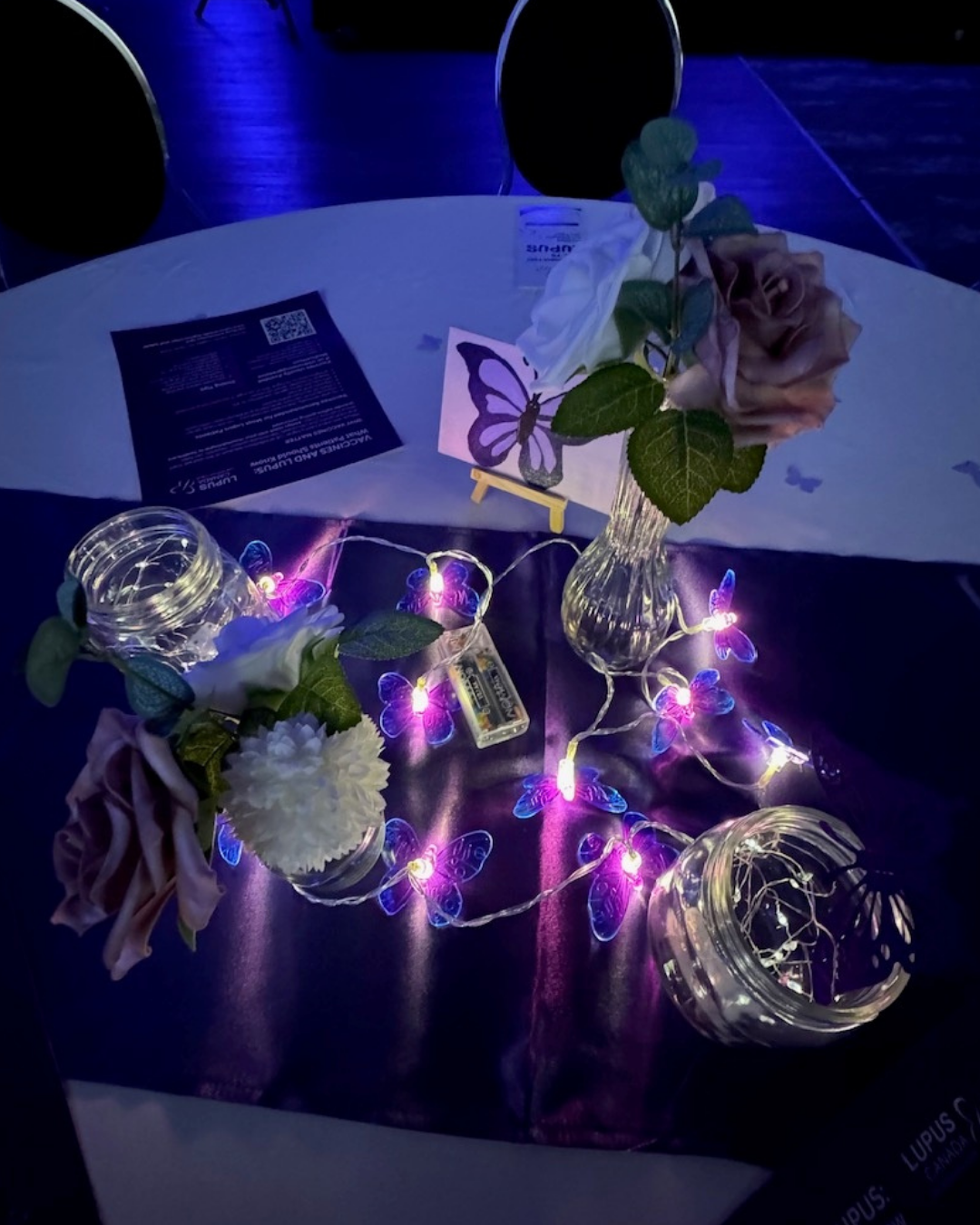
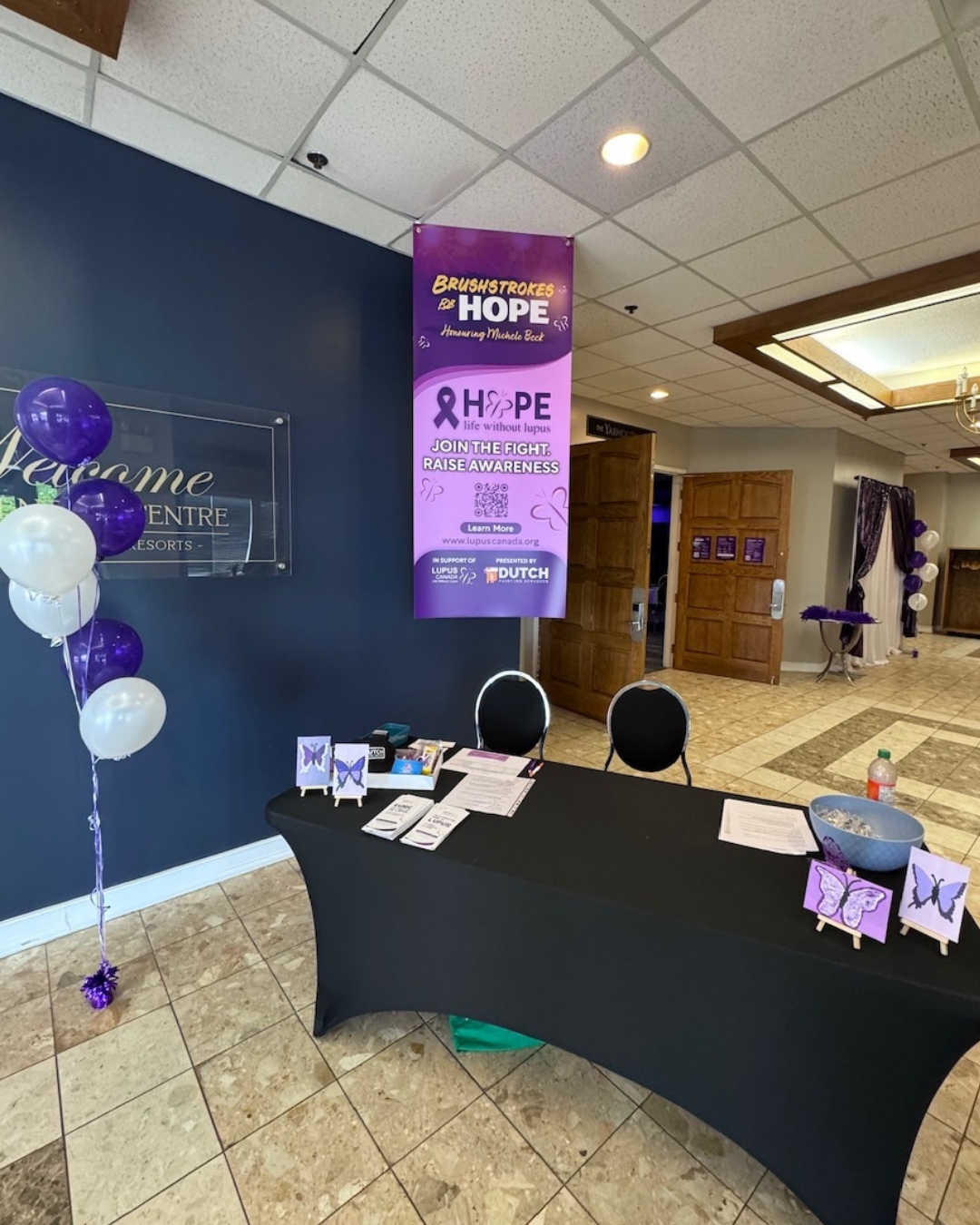
In Michele’s honour, Nami created Brushstrokes for Hope, a lupus awareness fundraiser designed to educate her community and raise support for others affected by lupus.
Nami shares that in her town, there is currently a five year waitlist for a family doctor. Many residents rely on the emergency room for medical care, where wait times can stretch up to 13 hours before seeing a doctor.
“I cannot imagine having lupus or any autoimmune issues, like where would you go? I would feel so lost.”
Through flyers, local outreach, and community support, Nami hopes Brushstrokes for Hope will help more people recognize lupus symptoms and seek care sooner.
Why Lupus Awareness Matters
Today in Canada, lupus remains widely misunderstood and can take years to diagnose. For Nami, raising awareness is deeply personal. She hopes that even one person recognizing a symptom, such as the butterfly rash, could make a difference.
It is no coincidence that the lupus symbol is a butterfly. It represents hope, resilience, transformation, and the birth of something new.
By honouring Michele’s life, Nami is helping transform grief into advocacy and creating something meaningful for others living with lupus.
Honouring Michele’s Legacy
Nami is amplifying her sister’s voice and story in a way that will resonate with people living with lupus, as well as those who have loved and lost someone to the disease.
“I just wanted to make her proud,” says Nami. “I really wish my sister could be here for the fundraiser. I think she’d be pretty proud.”
It is safe to say Michele would be.
Let’s Talk Lupus: Conversations with Macenzie
Each month, Let’s Talk Lupus: Conversations with Macenzie brings you inspiring stories from Canadians living with lupus. Through these interviews, Macenzie, a Toronto-based journalist and writer diagnosed with Systemic Lupus Erythematosus (SLE) in 2017, shines a light on the experiences, challenges, and triumphs of those navigating life with lupus.
If you’d like to share your story, please email [email protected].