

Living with Lupus: Daniela’s Story | From Childhood Symptoms to Advocacy

Let’s Talk Lupus: Conversations with Macenzie — Real stories from Canadians living with lupus.
For as long as Daniela Crissey can remember, painful rashes covering her limbs have been a constant part of her life.
From the time Daniela was five, her mother brought her to doctors’ offices and hospitals, hoping to find an explanation for the red, painful patches that continued to spread across her daughter’s skin.
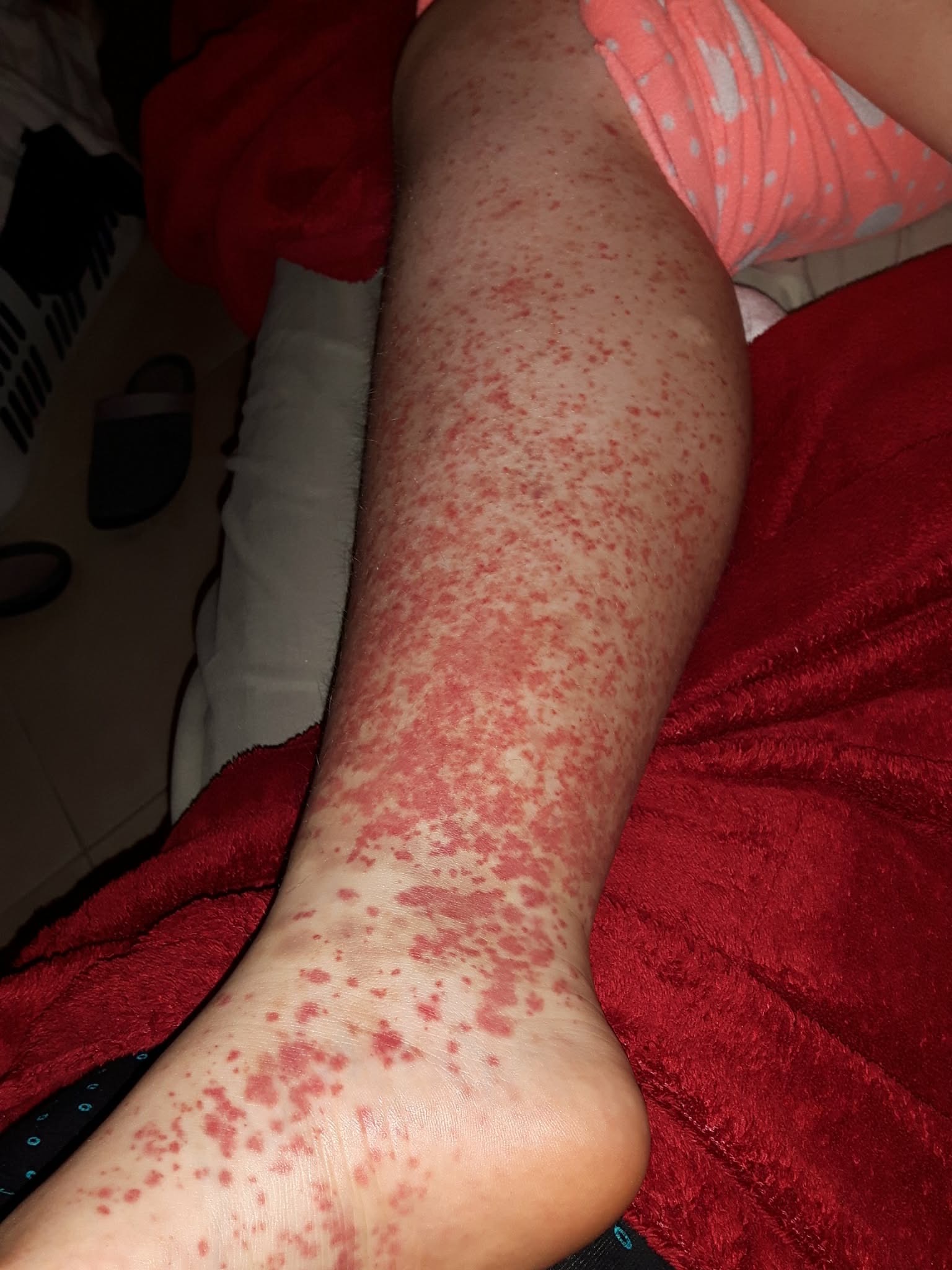
Doctors told Daniela’s mother that she was experiencing vascular rashes, but they were unable to determine the underlying cause.
“It was very painful when I was younger,” says Daniela. “To the point I was not able to walk, or stand up for even the duration of brushing my teeth.”
Daniela explains that physical activity seemed to trigger her skin flare-ups, which was especially difficult for her as an active child who loved playing sports.
“I did karate, dance, gymnastics and swimming and every time I did them, I experienced a flare, so it was hard living with that as a kid.”
Although the rashes caused her considerable pain, she had lived with them for so long that she didn’t know what life was like without them.
As she grew, the rashes never went away, and worsening joint pain and fatigue soon followed.
“Many diseases were thrown around and named,” she shares. “Arthritis, Sjögren’s disease and lupus.”
Searching for Answers
Living in Sudbury, Ontario, Daniela’s treatment options reached a dead end due to the lack of rheumatologists. Determined to find answers, she and her family regularly made the eight-hour round trip to Toronto to meet with specialists.
By the time she was thirteen, the long journey to SickKids Hospital had become routine.
On one of those visits, Daniela and her family were discussing a treatment commonly used for lupus called Rituximab.

While she finally had an answer for the symptoms she had experienced for years, she also knew that several medications she had tried in the past had never worked, leaving her unsure whether the treatment would make a difference.
Finding the Right Treatment
To her surprise, Rituximab proved to be incredibly effective and confirmed her doctors’ suspicions that she did, in fact, have lupus.
“It was incredible what it did, really,” says Daniela. “My vascular rashes by the end of the treatment were gone. It was really a miracle worker for me.”
She remembers watching the rashes disappear during treatment.
“If I had a rash present at the beginning of the treatment they would be gone by the end of it. We watched the rash disappear. For up to a year after each treatment, my rashes would remain relatively gone, and would begin to return close to the one-year mark.”
Like many people living with lupus, it took Daniela seven years to receive a diagnosis and begin effective treatment.
She is deeply grateful to her rheumatologists, who have provided excellent care over the past decade, something she recognizes is not the reality for everyone living with lupus.
She is also incredibly grateful to her family, who supported her every step of the way and never complained about making the frequent eight-hour round trips for appointments.
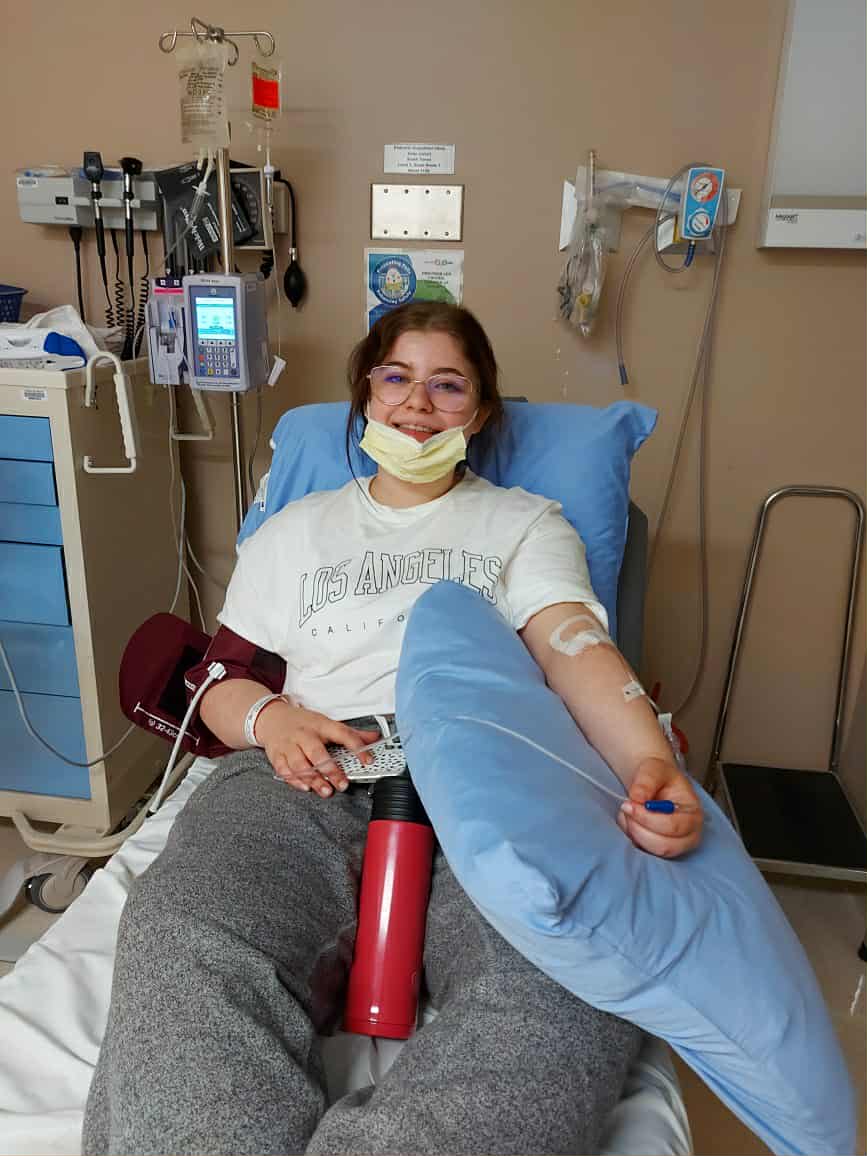
Finding Purpose Through Lived Experience
Today, at 19, Daniela is pursuing a Bachelor of Science in Kinesiology at Laurentian University.
“I 100% always wanted to be a doctor of some sort growing up, even before I really understood what was going on with my body.”
Her experiences navigating the healthcare system and living with lupus inspired her to pursue a career in healthcare.
“As soon as I got diagnosed, I really dove deep into rheumatic diseases and lupus, and learned a lot about them, and that’s really where my interest stemmed from. I also had really amazing doctors who inspired a big portion of it, too.”
Daniela hopes to one day provide patients with the same compassionate care she received.
“I want to bring a unique perspective to medicine. I want to help people, but I also want to be a person who can look families in the face and say, ‘I do understand,’ because that’s very different.”
Advocacy and Looking Ahead
Since 2020, access to lupus care in Sudbury has improved, and Daniela no longer needs to travel to Toronto for treatment.
Today, her lupus symptoms are well managed—”nothing like what it was before”—although she still experiences occasional flare-ups, joint pain, and chronic fatigue.

While completing her undergraduate degree, Daniela has become deeply involved in advocacy. She founded the L.U.P.U.S. Project, serves as an ambassador for Take a Pain Check, and is working to establish the Laurentian Lupus Student Association (LLSA) at Laurentian University.
“I am very stubborn and very ambitious,” she says. “I had so many doctors telling me growing up that I beat the odds because my condition was so severe when I was little, but I was so unfazed by it. I am so driven to achieve my career goals no matter what.”
Daniela would like to see more lupus resources and treatment options available in Northern Ontario so that others living with the disease will not have to travel long distances for care as she once did.
Through her advocacy, she hopes to improve access to care, raise awareness within her community, and help people living with invisible illnesses find a sense of belonging, understanding, and support.
Let’s Talk Lupus: Conversations with Macenzie
Each month, Let’s Talk Lupus: Conversations with Macenzie brings you inspiring stories from Canadians living with lupus. Through these interviews, Macenzie, a Toronto-based journalist and writer diagnosed with Systemic Lupus Erythematosus (SLE) in 2017, shines a light on the experiences, challenges, and triumphs of those navigating life with lupus.
If you’d like to share your story, please email [email protected].