

Social Prescribing Pilot for Individuals Living with Lupus | Lupus Canada
Researchers at the University of Waterloo, in collaboration with Lupus Canada, individuals living with lupus, and healthcare professionals, are recruiting Canadian residents living with lupus to participate in a new Social Prescribing Pilot.
This pilot will explore how personalized, community-based supports may help improve wellbeing and strengthen connections within the lupus community.
Researchers are currently recruiting both Participants and Link Workers living with lupus in Canada.
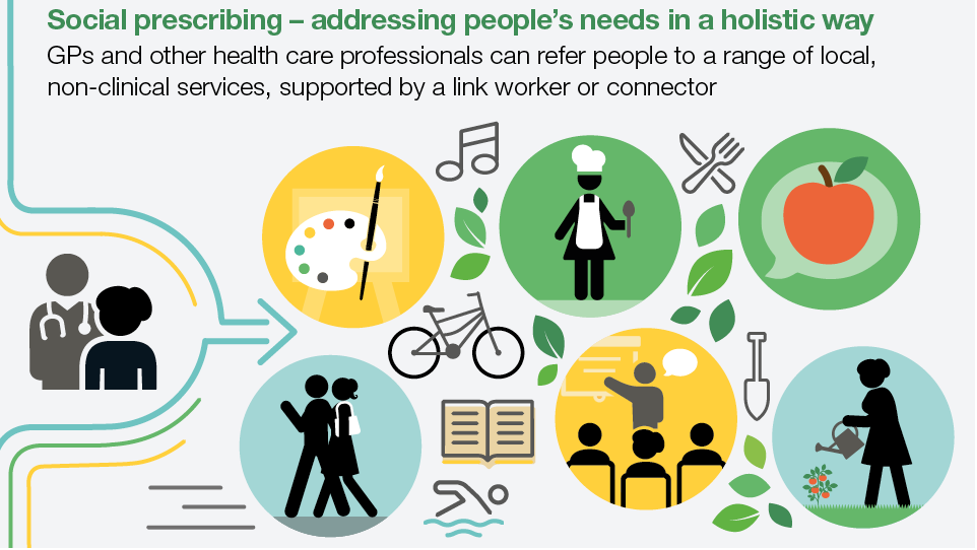
What Is Social Prescribing?
Social prescribing is a holistic approach that supports overall wellbeing by connecting people with non-medical services and community resources.
Rather than focusing only on clinical care, social prescribing helps individuals identify activities, programs, and supports that may contribute to their wellbeing.
Examples may include:
- Art and creative programs
- Volunteer opportunities
- Community groups
- Recreation and wellness activities
- Social supports
At its core, social prescribing focuses on: “What matters to you?” rather than “What is the matter with you?”
Why This Research Matters
While social prescribing programs exist in other healthcare settings, there has not been a social prescribing pilot specifically developed for people living with lupus.
People living with lupus often face unique physical, emotional, and social challenges. This pilot was created to better understand how tailored, lupus-specific support could improve wellbeing and help inform future programs, services, and research.
Because this is a pilot project, participants and Link Workers will play an important role in helping shape what future versions of the program may look like.
How the Pilot Works
Step 1: Recruitment
Researchers are recruiting approximately 25 participants and 10 Link Workers living with lupus in Canada.
Step 2: Link Worker Training
Selected Link Workers will receive training to prepare them for their role supporting participants.
Step 3: Personalized Wellbeing Plans
Participants will meet virtually with trained Link Workers to create a personalized wellbeing plan based on their goals, interests, and needs.
Step 4: Community Connections
Participants will be connected with activities, resources, and supports that align with their wellbeing goals.
Step 5: Evaluation
Researchers will gather feedback through surveys, interviews, and discussions to better understand the impact of the pilot and identify opportunities for future development.
Ways to Get Involved
Participant Role
Researchers are seeking approximately 25 individuals living with lupus in Canada to participate in the pilot.
As a participant, you will:
• Meet virtually with trained Link Workers
• Create a personalized wellbeing plan
• Participate in surveys and interviews
• Help shape future lupus support initiatives and research
Time Commitment: Approximately 1–2 hours per week for 6 months
Honorarium: $250 divided across the 6 months
Eligibility:
• Living with lupus
• Reside in Canada
• 18 years of age or older
• Speak English
• Access to a laptop, smartphone, and internet connection
Link Worker Role
Researchers are also seeking individuals living with lupus to serve as Link Workers.
Link Workers will work alongside another Link Worker to support participants, connect them with resources and activities, and contribute to the implementation and evaluation of the pilot.
Time Commitment:
• Training (approximately 6–10 hours)
• Approximately 5 hours per week during the active pilot phase
Honorarium:
• $675 divided across the duration of the pilot
• Up to $50 per month toward a smartphone data plan if required
Eligibility:
• Living with lupus
• Reside in Canada
• 18 years of age or older
• Speak English
• Access to a laptop and internet connection
Learn More About Each Role
Participant FAQ Video
Link Worker FAQ Video
Additional Resources
Want to learn more before applying? Review the documents below for detailed information about the study, the Participant and Link Worker roles, eligibility criteria, and frequently asked questions.
Frequently Asked Questions
Who can participate?
Individuals who are 18 years of age or older, living with lupus in Canada, speak English, and have access to a laptop or internet-connected device.
How many people will be selected?
Researchers plan to recruit approximately 25 participants and 10 Link Workers.
Has the study received ethics approval?
Yes. This study has received ethics clearance through a University of Waterloo Research Ethics Board.
Can I withdraw from the study?
Yes. Participation is voluntary and participants may withdraw at any time.
Will this research help others living with lupus?
The goal of this pilot is to improve understanding of how social prescribing may support people living with lupus and help inform future programs, services, and research.
Contact the Research Team
Satveer Dhillon
PhD Candidate, University of Waterloo
Email: [email protected]
This study has been reviewed and received ethics clearance through a University of Waterloo Research Ethics Board.