
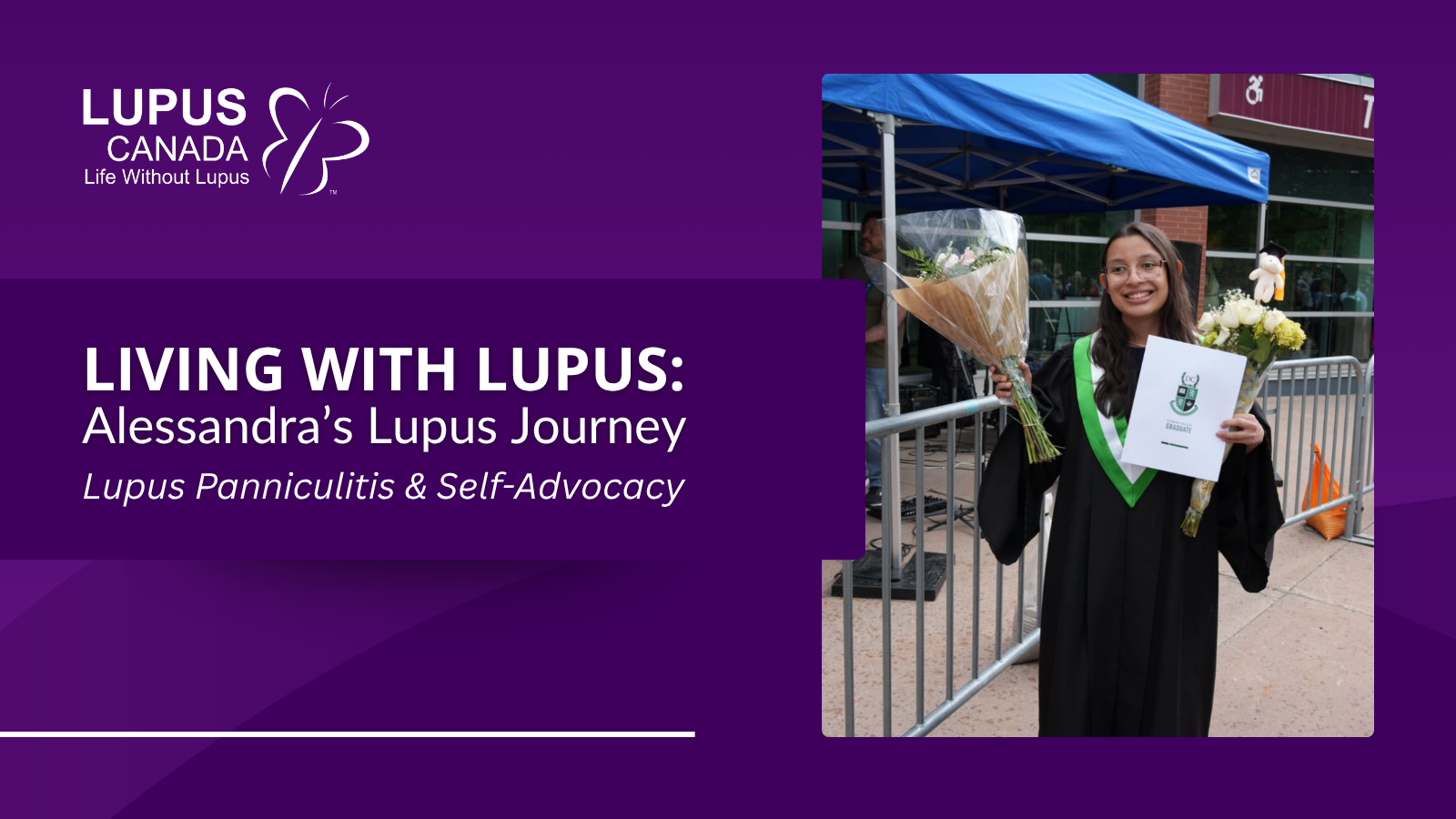
Living with Lupus: Alessandra’s Story | Lupus Panniculitis & Self-Advocacy
Let’s Talk Lupus: Conversations with Macenzie — Real stories from Canadians living with lupus.
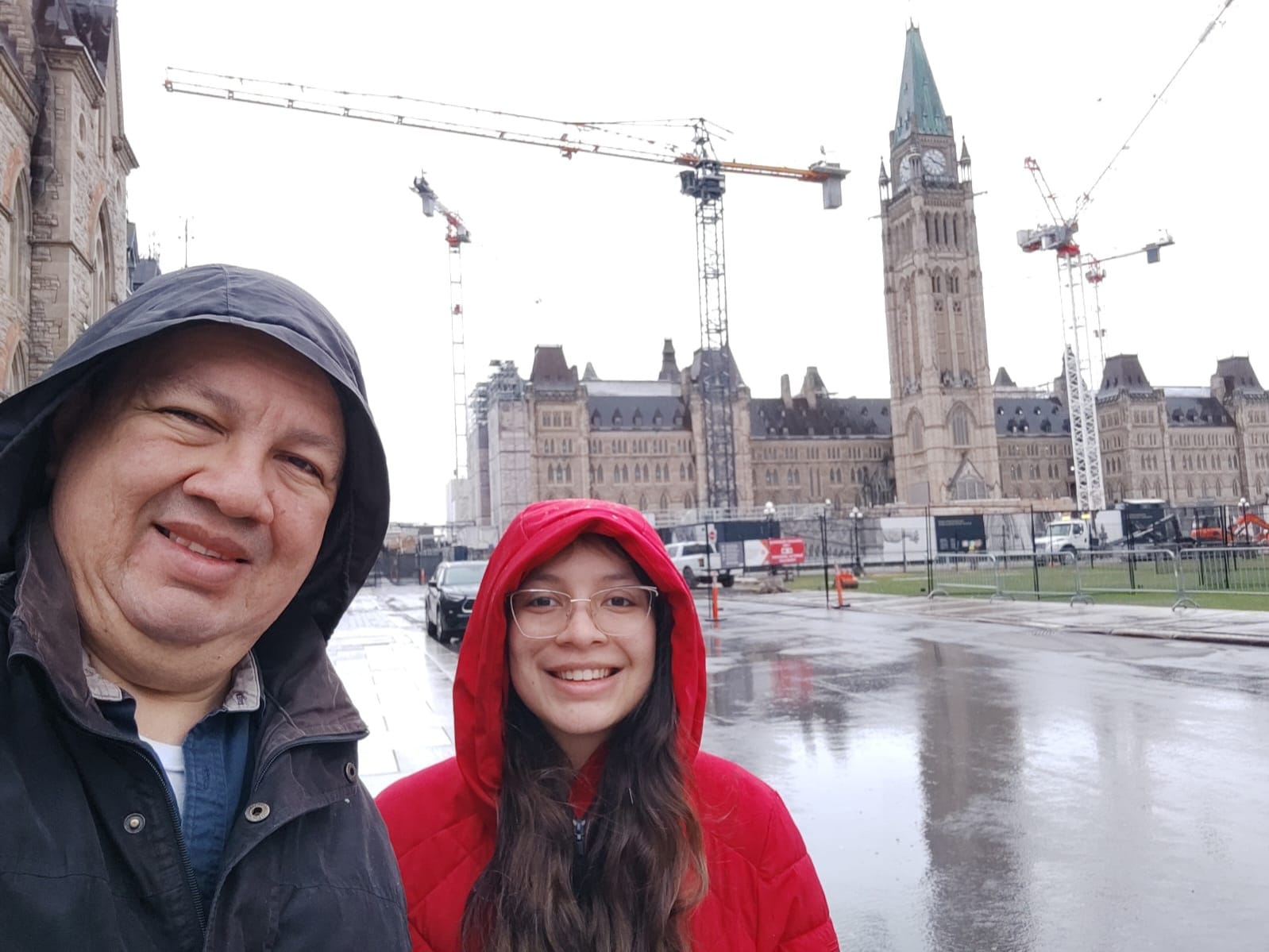
Her big move from El Salvador to Oshawa to pursue a degree at Durham College marked a brand new chapter for 20-year-old Alessandra. Like any student beginning college, she arrived full of anticipation, excitement and, of course, nerves.
But Alessandra’s move came with some apprehension. In the months leading up to her departure, she had begun experiencing unusual and puzzling symptoms that doctors in El Salvador had been unable to explain.
“I started having really bad headaches, and I would just lay in bed and cry,” she explains.
The pain became so unbearable that she made an appointment with a neurologist, where she underwent several tests. Alessandra was told she was experiencing vascular migraines and was prescribed Gabapentin.
“The medication helped, but the pain was not fully gone. My dad started to get really worried, so we decided to try physiotherapy on my neck.”
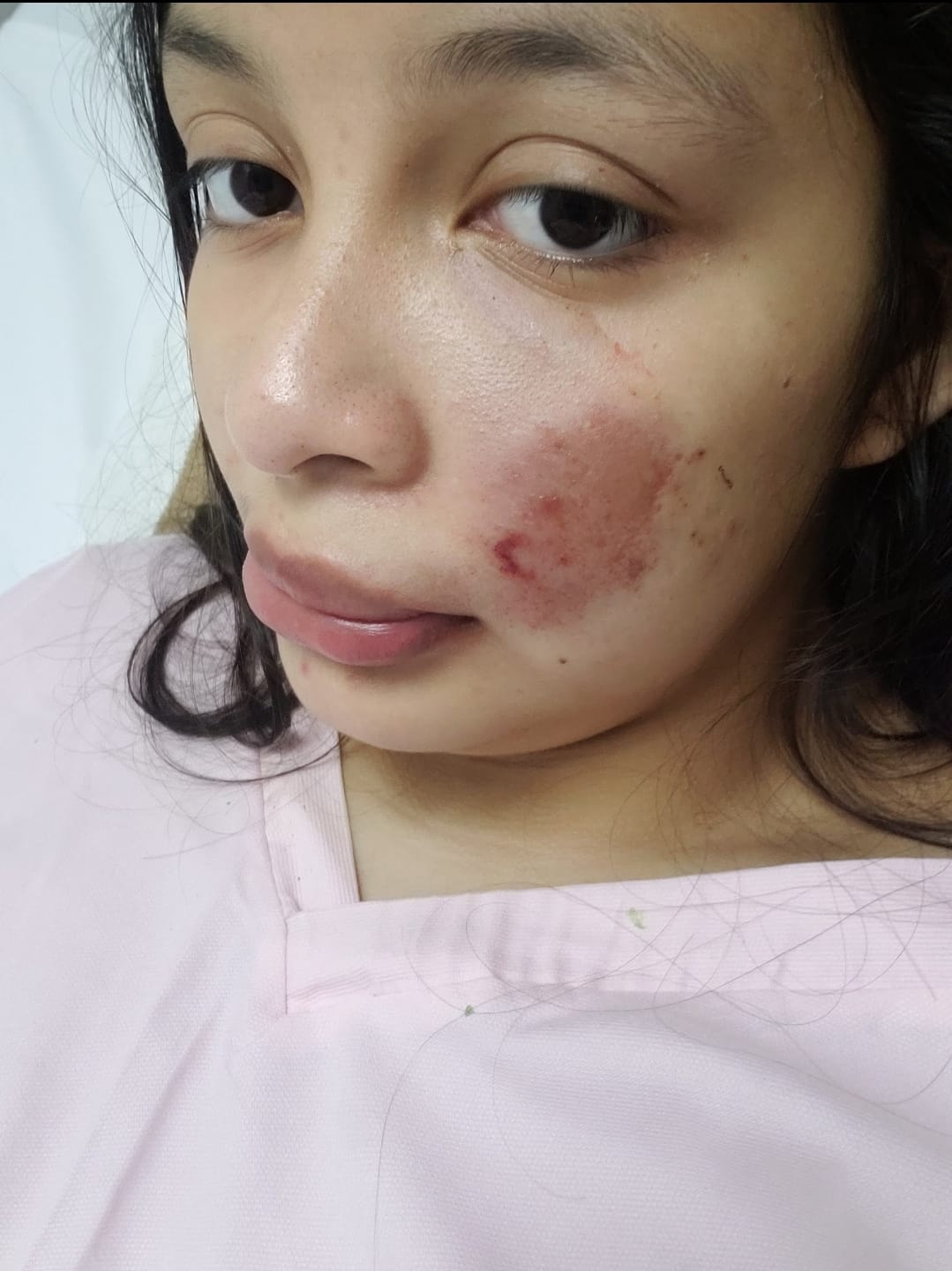
While all of this was happening, Alessandra noticed a small lump forming on her left cheek. At first, she wasn’t overly concerned, as the severity of her headaches consumed most of her attention and energy.
“Then I saw that it was actually getting bigger and not going away by itself. That’s when we decided I should go back to the doctor.”
Doctors were puzzled by the now sizable lump on her cheek. They told Alessandra “it was quite uncommon.” Concerned that it could be cancerous, doctors recommended a biopsy.
To Alessandra’s relief, the results showed no signs of cancer. But the lump itself showed clear signs of infection.
The doctors did not investigate any further and told Alessandra to leave it be as they “had removed the lump anyway.” And with that, she was off to Canada for school.
“I still had all my symptoms when I moved to Canada,” she says. “At one point, I was just like ‘Maybe this is what it means to be an adult,’ because my body was always hurting.”
Searching for Answers While Studying in Canada
Throughout her first two years at Durham College, Alessandra’s pain began to extend beyond her headaches, developing into persistent shoulder and neck pain. She also struggled with chronic fatigue that no amount of sleep seemed to relieve.
“At this point I was very stressed out because doctors kept prescribing me random painkillers or diagnoses that weren’t really helping me.”
Things remained this way until 2024, when Alessandra’s sister noticed something odd forming on her right arm.
“She pointed out that I had a large dent on my arm and if you touched it you could feel little lumps on the inside of the skin.”
With no explanation for her symptoms, her mind had begun jumping to worst-case scenarios. Alessandra quickly made an appointment with the on-campus doctor, who helped ease some of her concerns and referred her for testing.
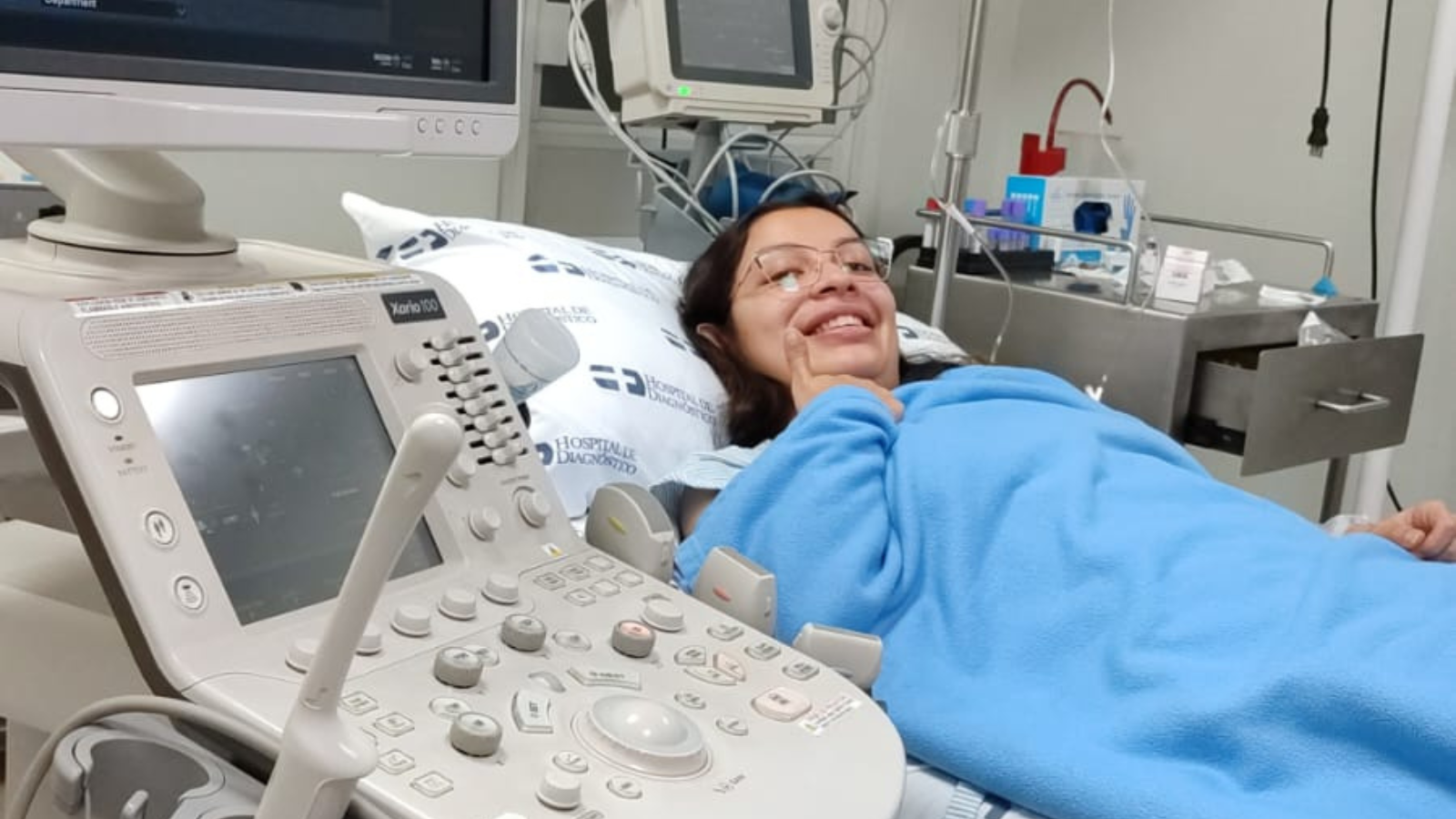
An ultrasound confirmed the dent on her arm consisted of small nodules, but there was still no clear explanation for why or how they had developed.
Seeking both the support of her family and faster access to medical care, Alessandra flew home to El Salvador for a week.
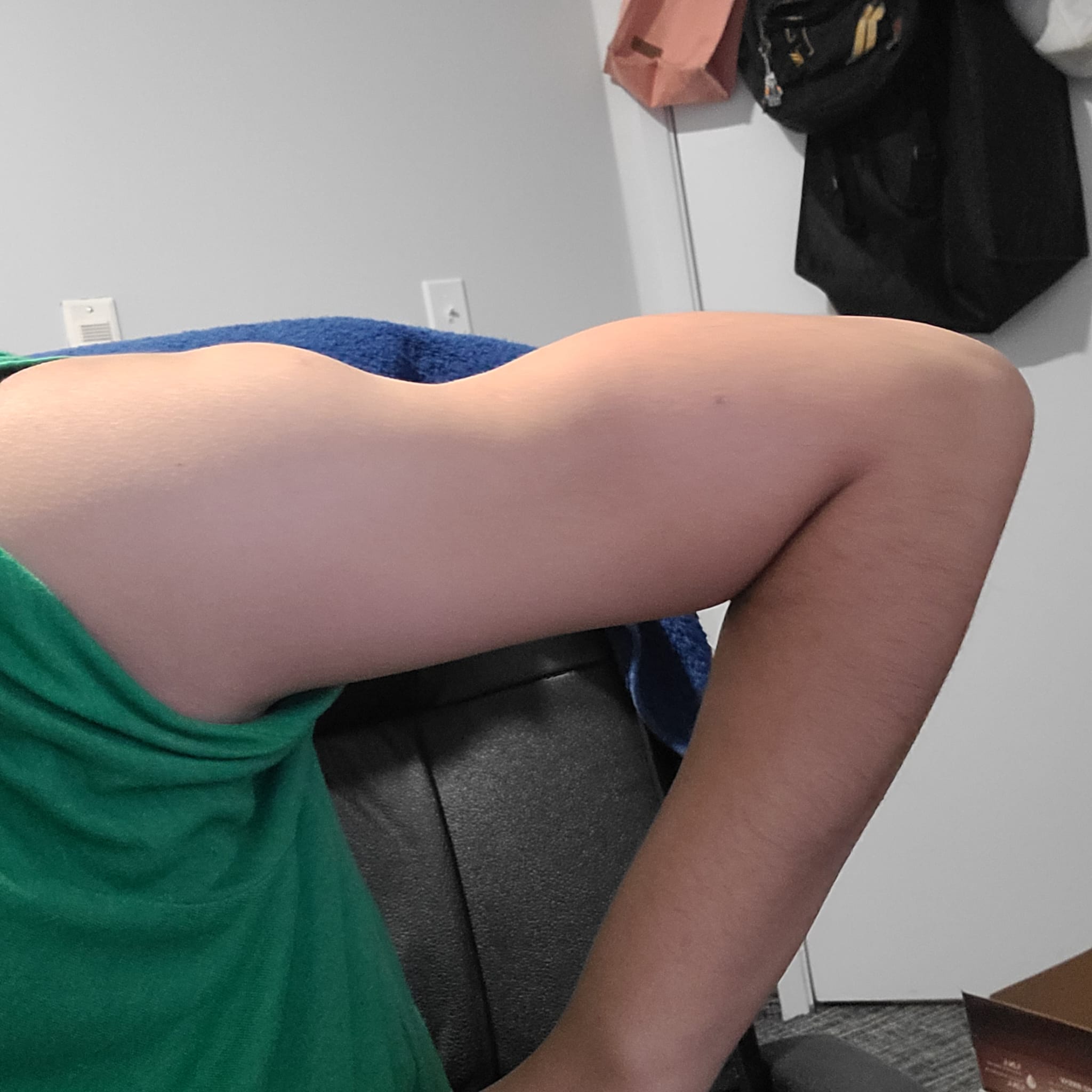
In El Salvador, they tested for muscular atrophy, myopathy, cancer, sarcoidosis, granulomatosis and pretty much anything that impacts the body, including lupus. But all of the results came back negative.
Although testing in El Salvador was quicker, access to certain medical technology was limited. Ultimately, the results were the same as those from her initial ultrasound in Canada: inconclusive.
“In El Salvador, one of the doctors actually thought I had an autoimmune disease, especially lupus. But when my ANA results came back negative, it was disregarded.”
Receiving a Lupus Panniculitis Diagnosis
When Alessandra returned to Canada, her doctor determined that the next step would be a biopsy of the lump on her arm. Toward the end of the 2025 school term, she received the results.
“She walked in and looked at me and said, “I am sorry it is bad news.’ Which I thought meant I had cancer,” explains Alessandra. “But then she said it was lupus panniculitis, which I had never heard of; I was relieved.”
Lupus panniculitis is a rare type of lupus that impacts the layer of fat just beneath the skin. Lupus panniculitis creates the development of firm nodules or bumps under the skin, typically on the face and arms.
Alessandra was given an infographic about lupus and encouraged to do further research on the condition on her own. Initially, she was confused. She knew very little about lupus, and many of the symptoms she found didn’t seem to reflect what she had been experiencing herself.
Searching for Others Living with Lupus Panniculitis
Feeling lost and uncertain about her diagnosis, Alessandra turned online in hopes of connecting with others living with lupus panniculitis. However, because of the rarity of the condition, she struggled to find anyone who shared her experience.
A year after her diagnosis, 23-year-old Alessandra still struggles to find others who share her experience with lupus panniculitis. But she is learning how to navigate her life as someone with a chronic illness.
But every cloud has a silver lining, and since starting medication, she has not developed lumps or nodules anymore.
“The shoulder and neck pain also went away too, and for the first time I felt completely free,” she says. “But then I remember it is not forever and that there is no cure. The pain will come back.”
Which it did, eventually.
Learning to Live with Lupus
Alessandra started to exhibit more ‘traditional’ symptoms of lupus, including chronic fatigue and joint inflammation.
With time, Alessandra has started to recognize how lupus presents in her own body, helping her better understand and come to terms with her diagnosis.
Looking back on her journey, Alessandra recognizes the courage it took to navigate countless medical appointments on her own while studying abroad, far from her family.
“I am very resilient,” she smiles. “My dad always tells me I am really strong because even though I was going through everything alone. I am still smiling.”
This past June, Alessandra reached a major milestone, graduating from college despite the many health challenges and uncertainties she faced throughout her studies.
She tried her absolute best to manage school, sharing, “I did not let the diagnosis stop me.”
The Importance of Self-Advocacy
Today, Alessandra hopes to inspire others living with lupus to share their stories, particularly those with lupus panniculitis who may feel ashamed or embarrassed by their diagnosis. Above all, she wants people who are struggling to know they are not alone in their battle.
“If you feel like there is something wrong with your body, it is because there is. Your body is trying to tell you something, and it is important that you listen.”

Because Alessandra waited some time to have her arm looked at, she has been left with permanent damage and scarring. She encourages others not to wait and to fight for their health.
“My body is damaged forever, and it is something that will always remind me not to ignore my body,” she emphasizes. “If something isn’t right, you have to advocate for yourself.”
Let’s Talk Lupus: Conversations with Macenzie
Each month, Let’s Talk Lupus: Conversations with Macenzie brings you inspiring stories from Canadians living with lupus. Through these interviews, Macenzie, a Toronto-based journalist and writer diagnosed with Systemic Lupus Erythematosus (SLE) in 2017, shines a light on the experiences, challenges, and triumphs of those navigating life with lupus.
If you’d like to share your story, please email [email protected].