

Invisible Disability and Lupus: When Disability Isn’t Visible | Lupus Canada
When Disability Doesn’t Look Like Disability: Invisible Disability and Lupus
Living with an invisible disability can mean navigating more than symptoms. It can also mean facing assumptions about what disability is supposed to look like.
By Macenzie Rebelo
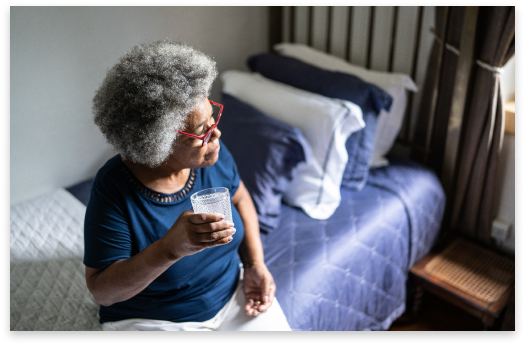
As summer comes to an end and cooler weather slowly approaches, many of us living with lupus know that our bodies may begin to react to the change in seasons.
For some of us, we’re already feeling it. As the air becomes cooler and damper, symptoms that seem to come and go with the weather are beginning to make themselves known again.
Although the pain is chronic, the physical manifestations of lupus are not always visible to those who are able-bodied. Many of us know that some days, our legs can become so swollen that we cannot get out of bed, let alone walk. On other days, the swelling may be less visible, but the pain is just as real and debilitating.
When disability isn’t visible
A common thread that appears in the many interviews I’ve done is the hostility from able-bodied people when we use spaces that were designed for us.
They may believe they are being an ally to the disabled community by speaking up, but in reality, confronting or harassing someone over their use of an accessible space can do more harm than good. Not every disability is visible, and questioning whether someone is “disabled enough” can create yet another barrier for those who genuinely require these accommodations.
This experience is not unique to lupus. Physical disabilities and other chronic conditions can manifest and present themselves in many different ways, and their impact is not always visible to others. When we take up space or use accommodations but do not appear “disabled enough” in the eyes of the public, we are too often met with judgment, hostility, or apprehension rather than understanding and compassion.
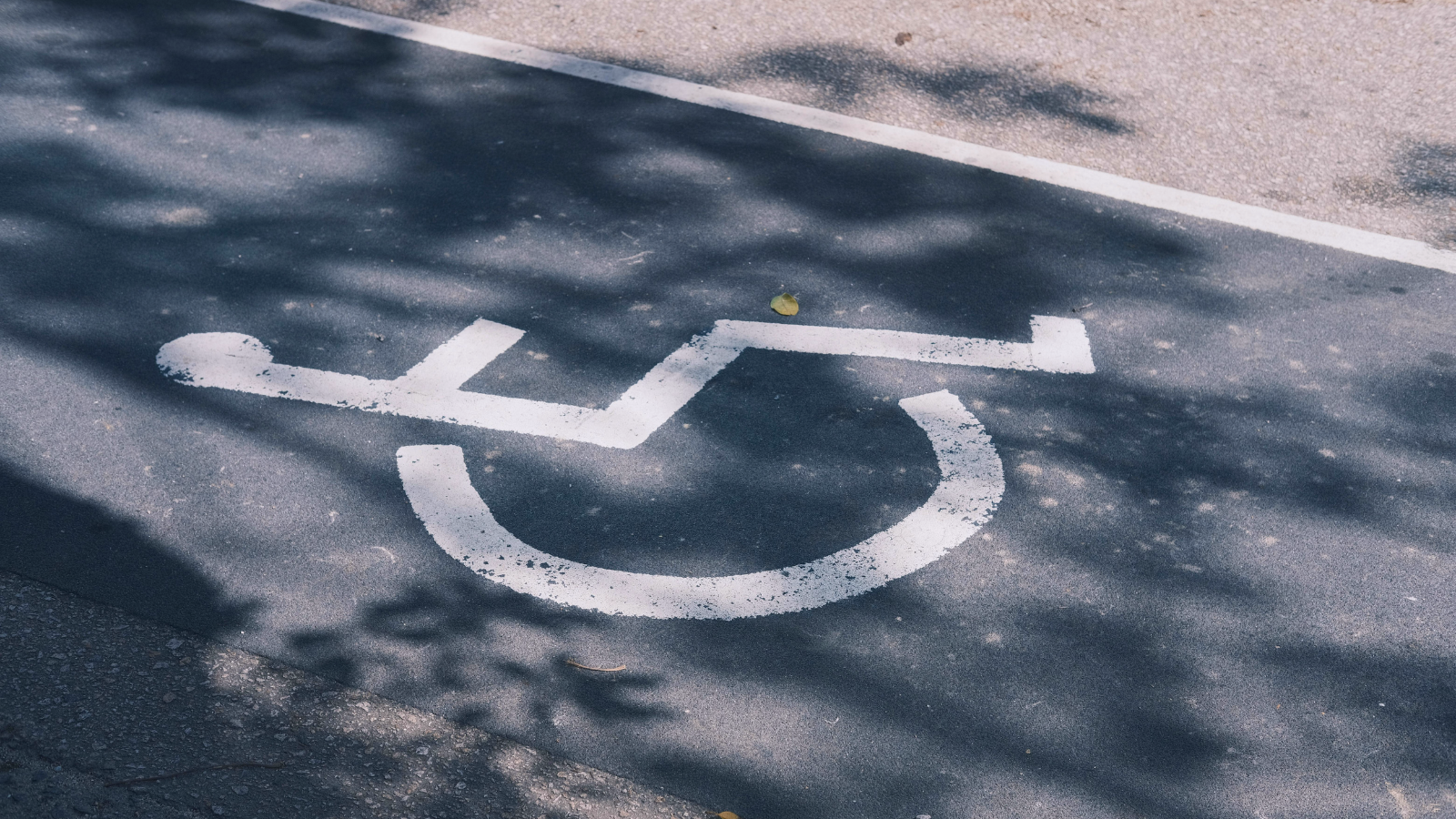
“Just because I don’t look sick doesn’t mean I’m not sick”
In an August interview, Filomena, from Calgary, shared a similar experience. While navigating an active lupus flare and the lingering effects of a sepsis infection, she needed to use an accessible parking space.
“I was yelled at by somebody because, to them, I didn’t appear sick. I had my sign, but that wasn’t enough. On top of everything else, I had to sit there and find the energy to argue with these people—that just because I don’t look sick doesn’t mean I’m not sick.”
“I have lupus”
In my own experience, shortly after being diagnosed with lupus and finally becoming well enough to walk on my own again, I decided to take myself to my favourite bookstore to buy a book to read while I recovered.
Because of my mobility issues and reduced lung capacity, my doctor had provided me with an accessible parking permit. Within minutes of using an accessible parking space for the first time and stepping out of my car, I was harassed by a stranger. He shouted that I “didn’t look crippled” and proceeded to call me several slurs.
I was completely shocked. Had he paused for even a moment before confronting me, he might have noticed the bruises from IV needles covering my arm or the hospital bracelet that was still around my wrist. But more importantly, I shouldn’t have needed visible evidence of my illness to justify using an accommodation I needed.
In the moment, I tried to explain myself. Looking back, I know I didn’t owe him an explanation, but at the time, I felt as though I did. All I could manage to say was, “I have lupus.”
He didn’t know what lupus was. His wife, who was standing with him, eventually pulled him away and simply said, “Sometimes you can’t tell.”
Those words have stayed with me because they capture something so many people living with invisible disabilities understand: You can’t tell what somebody’s medical condition is simply by looking at them.
Unfortunately, this wasn’t a one-time experience. I have been harassed by strangers on several occasions simply because they believed I was pretending to be disabled or taking advantage of an accommodation.
The anxiety of needing an accommodation
For me, this time of year brings an added layer of anxiety. As the cooler weather sets in and my joints begin to swell, I find myself needing accessible parking more often. But with that need comes the worry that someone may question, judge, or confront me simply because my disability isn’t immediately visible to them or easy to understand.
No one should have to weigh the fear of being harassed against using an accommodation they need. Whether you’re in a public washroom and require an accessible stall, taking public transit and need priority seating, or using any other accommodation, it is okay to take up that space. These accommodations were designed for people with disabilities.
This is especially true in a world where so many spaces and systems were not designed with us in mind. We are already constantly finding ways to adapt and navigate environments that may not accommodate our needs. When something has been made accessible to us, we should be able to use it without fear, guilt, or the feeling that we need to justify why we belong there.
You don’t owe anyone an explanation
When it comes to confrontation, I don’t have a perfect answer for how to prevent harassment. In my own experience, I find that simply saying, “I have lupus,” is often enough. Not only does it help spread awareness, but it also answers the question at hand: Yes, I have a disability, lupus. Don’t know it? Why don’t you look it up?
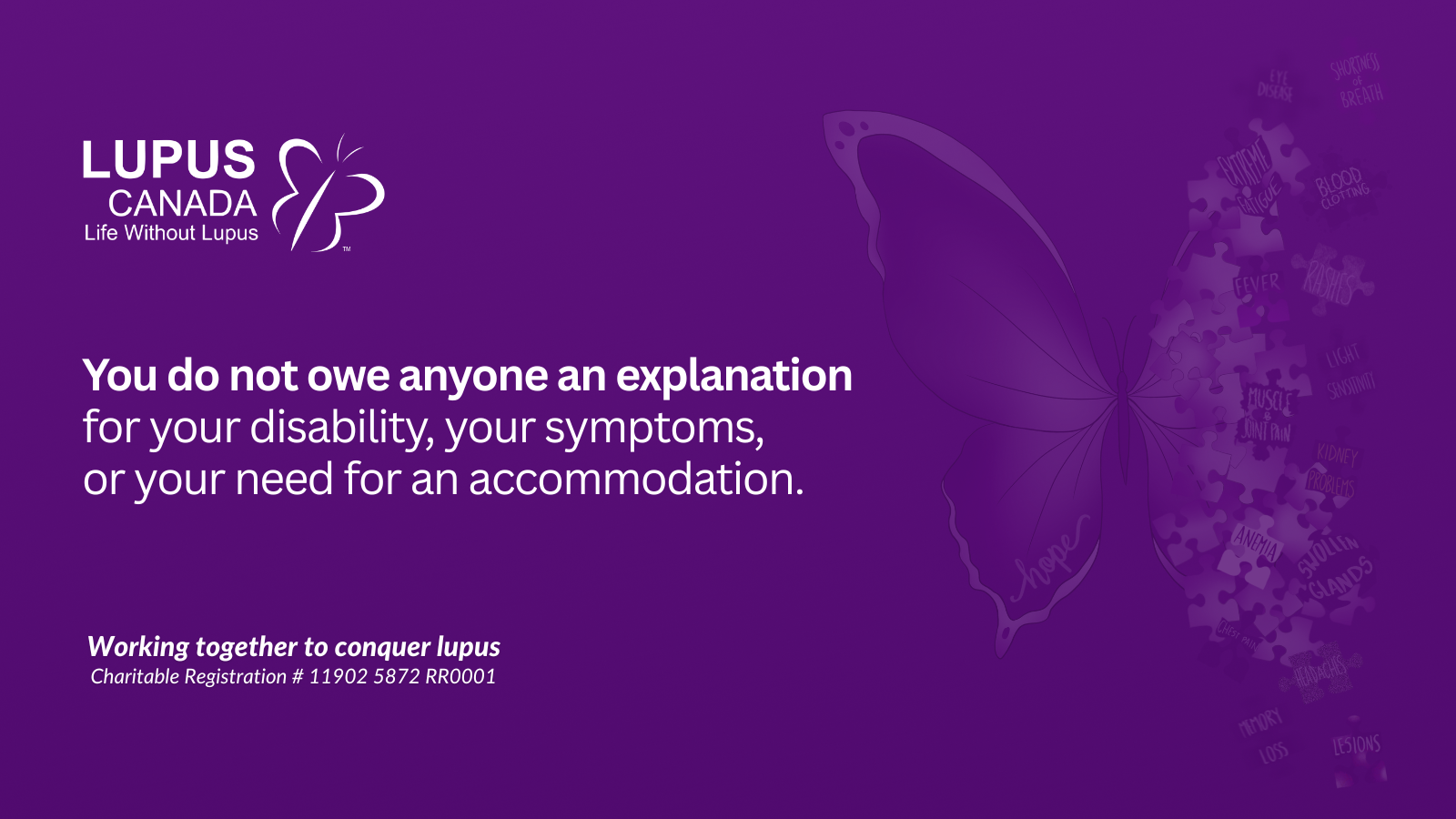
At the same time, you are not required to provide an answer at all. You do not owe anyone an explanation for your disability, your symptoms, or your need for an accommodation, especially when they approach you with outrage rather than curiosity or compassion.
We should never feel ashamed for taking up spaces that were designed with us in mind. Our disabilities do not need to be visible to be valid, and we do not need to prove our pain to deserve accessibility.
Sometimes, I wonder if seeing people with disabilities who look like anyone else creates a certain uneasiness for those who are able-bodied. Perhaps it’s because our presence challenges preconceived ideas of what disability is supposed to look like. Maybe, in some way, it reminds people that we are saying, “We are just like you,” or even, “This could happen to you, too.”
But perhaps that’s a conversation for another time.
If you’re reading this, chances are you have lupus or know and love someone living with the disease. So, you likely understand firsthand that not every illness or disability is visible.
If you ever find yourself, or someone you love, in a position where you need to use an accommodation that you are entitled to use, don’t let the fear of other people’s perceptions, biases, or ignorance stop you from living your life as comfortably and safely as possible.
At the end of the day, it is your body. You know your limits, you know what you need, and you should never feel ashamed for using the accommodations that allow you to navigate the world safely.
You do not have to look sick to be sick, and you do not have to look ‘disabled’ to deserve accessibility.
Meet the Author: Macenzie
Macenzie is a Toronto based journalist and writer who was diagnosed with Systemic Lupus Erythematosus (SLE) in 2017. Drawing from her own experience living with lupus, she writes about the realities of chronic illness, invisible disability, and the challenges that are often difficult for others to see.
Macenzie also hosts Lupus Canada’s Let’s Talk Lupus series, where she interviews Canadians living with lupus and helps amplify the experiences and perspectives of the lupus community.