

Living with Lupus: Yaneisy-Nynoska Tremblay’s Story | Lupus Canada
From early seizures to a lupus diagnosis, one Quebec researcher is bridging science and patient experience.

Early Signs and a Lupus Diagnosis
Living with Lupus began early for Yaneisy-Nynoska Tremblay. At nine, she was diagnosed with absence seizures that caused her to go in and out of consciousness. She thought the seizures would be the worst of it. Soon after, severe joint pain began in her wrists and knees, and a year later she was diagnosed with juvenile arthritis.
“I started taking medication,” says Yaneisy. “But things slowly got worse.”
Several months after the arthritis diagnosis, she developed inflammation around her heart and lungs and was admitted to the hospital. Further testing confirmed systemic lupus erythematosus when she was ten years old.
Because she was so young, Yaneisy did not fully grasp what her diagnosis meant. She remembers her parents’ reaction but did not understand why.
“At that age, you still believe in Santa Claus,” she laughs. “I was in my own little world when everything was happening.”
Learning to Live with Lupus
As she grew up, her parents and rheumatologist often reminded her to be careful. When she asked for details, she heard, “You cannot do everything your friends are doing,” which only confused her.
“I remember thinking to myself, Why can’t I be like everyone else?”
At fifteen, reality set in when she experienced her first flare up in five years. The pain made her parents’ insistence clear.
“I finally became aware of things,” she says. “I realized I had to take my condition seriously, because it was in my own hands.”
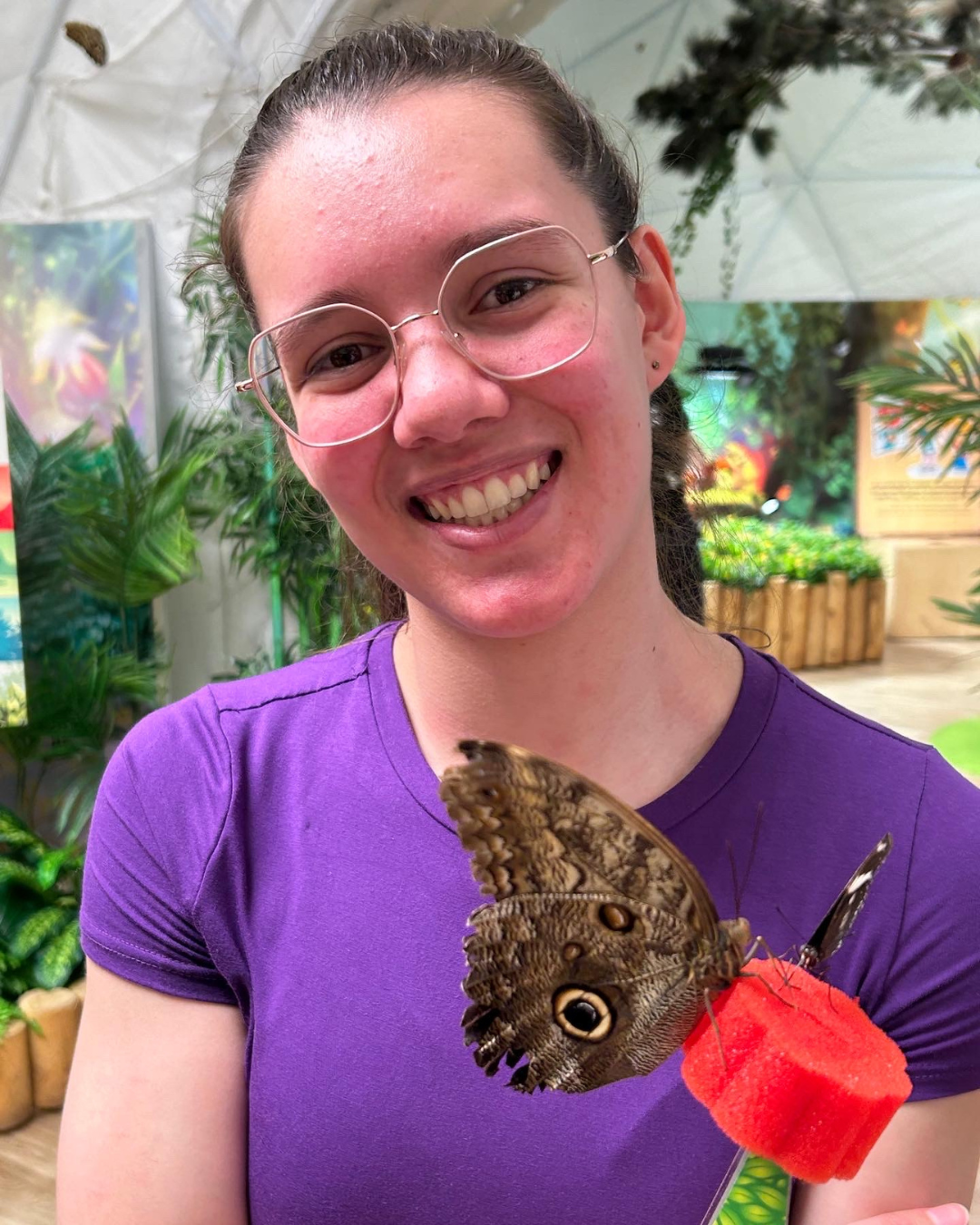
From Patient to Researcher
That awareness sparked a curiosity about her body and the immune system. Science had always interested her, and now it felt personal. She asked herself: Why are absence seizures a symptom of my lupus? What are the origins of lupus? Why is there no cure?
Online searches were not enough, so she chose to study the answers.
“I started my bachelor’s in biomedical science at Université Laval in Quebec City and discovered there is scientific research for lupus in my city,” she says. “I thought, Wow, this is life changing for me. I am going to do research about my disease so I can answer my own questions.
Now 24, Yaneisy is completing a master’s in immunology at Université Laval and plans to pursue a PhD.
“My ultimate goal is to be the bridge between science and patients with rheumatic diseases. Patients do not always understand the research side, and researchers do not always understand how it feels to be a patient. But I know both.”
Yaneisy hopes to demystify misconceptions about lupus in the medical field. She has heard, “You do not look sick.”
“That is what an invisible illness is,” she says. “I am trying to show a different perspective.”
She also teaches colleagues how symptoms can change through the day.
“At the beginning of the day I may have pain in my wrist, and by the end it has moved to my knees. They told me they did not know that.”
Working within the research community, she hopes to contribute to advances that bring a cure closer. In many ways, she feels the fate of her illness rests with her as much as with medicine.
“Others will support you, but if you want something to change, you have to be the change. Lupus has taught me to fight for what I want.”


Let's Talk Lupus: Conversations with Macenzie
Each month, Let’s Talk Lupus: Conversations with Macenzie brings you inspiring stories from Canadians living with lupus. Through these interviews, Macenzie, a Toronto-based journalist and writer diagnosed with Systemic Lupus Erythematosus (SLE) in 2017, shines a light on the experiences, challenges, and triumphs of those navigating life with lupus.
If you’d like to share your story, please email [email protected].

Explore More Support from Lupus Canada
- Learning to Live Well With Lupus– People living with lupus often need to adapt to complicated medical regimens to control symptoms and prevent disease flares. Making gradual and achievable lifestyle adjustments can help improve quality of life and provide a sense of well-being.
- National & Provincial Support – Access a network of resources and services available across Canada.